Compost vs. Mushroom Soil: What’s the Difference?
Improving your soil is one of the most effective ways to strengthen plant growth and enhance overall landscape performance. Two commonly used organic materials are compost and mushroom soil. While both enrich soil and support healthier gardens, they have distinct characteristics that make each one better suited for certain applications.
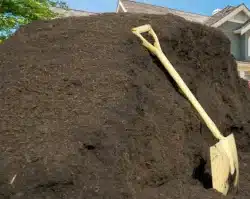
For property owners planning soil improvements, professional compost delivery provides a convenient way to access nutrient-rich organic matter. Reliable compost delivery ensures you receive properly processed material that improves soil texture, enhances drainage, and introduces beneficial microorganisms. Understanding how compost compares to mushroom soil will help you make the right choice for your specific project.
What Is Compost?
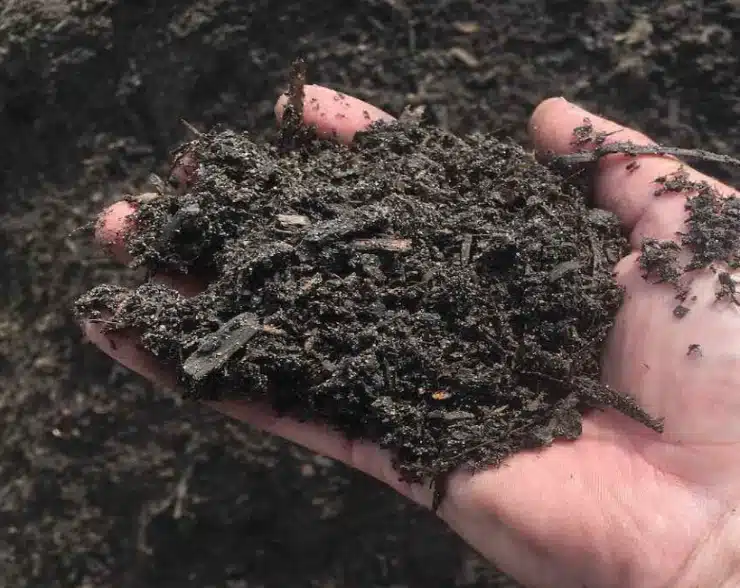
Compost is created through the controlled decomposition of organic materials such as leaves, grass clippings, and food waste. Over time, these materials break down into a dark, crumbly substance rich in nutrients. Compost improves soil structure by increasing aeration and moisture retention while steadily releasing essential nutrients like nitrogen, phosphorus, and potassium.
Because compost is highly versatile, it can be used in vegetable gardens, flower beds, and even as a topdressing for lawns. It works particularly well for revitalizing depleted soil and encouraging strong root development.
What Is Mushroom Soil?
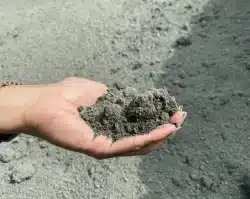
Mushroom soil, also known as mushroom compost, is a byproduct of mushroom farming. It typically contains a blend of organic materials such as straw, manure, and gypsum that have already supported mushroom growth. After harvesting, the remaining material becomes a nutrient-dense soil amendment.
Mushroom soil is especially beneficial for improving soil structure and adding organic matter. It is often used to condition garden beds and support ornamental plant growth. However, because it may contain higher salt levels depending on its composition, it is generally recommended to mix it with existing soil rather than apply it alone.
Choosing the Right Option for Your Landscape
The best choice depends on your goals. Compost is ideal for boosting nutrient content and supporting vegetable gardens, while mushroom soil is effective for conditioning soil and improving texture in larger landscaping areas. Both options contribute to healthier plants when applied correctly.
In Bethesda, MD and surrounding communities, seasonal weather changes can affect soil performance. Adding organic amendments helps regulate moisture levels and protect plant roots from temperature fluctuations. Consulting with an experienced supplier ensures you select the right product and quantity for your needs.
Spring Garden Farm provides high-quality soil amendments designed to support both residential and commercial landscaping projects. With dependable service and flexible ordering options, customers can confidently enhance their soil without unnecessary delays.
For homeowners, understanding the difference between compost and mushroom soil leads to better landscaping decisions. Choosing reliable compost delivery in Bethesda, MD allows you to enrich your soil naturally and create a healthier foundation for long-term plant growth with the trusted support of Spring Garden Farm.